
Nov. 20, 2026 - South Dakota officials urge drivers to prepare for winter weather, road conditions - Dakota News Now
RAPID CITY, S.D. (KOTA) - As winter approaches, South Dakota transportation officials are reminding drivers to plan ahead, watch weather forecasts and use available resources before hitting the road.
The South Dakota Department of Transportation, Highway Patrol and National Weather Service shared winter safety information during a pre-winter travel safety webinar Thursday, offering an outlook for the upcoming season and explaining how crews prepare for storms.
Although the forecast points toward a potentially milder winter, officials stressed that South Dakota can still experience dangerous blizzards, ice storms, extreme cold and rapidly changing road conditions.
“Just because we’re talking El Niño, and we see the scales tip toward a more mild winter, it doesn’t mean we can’t have the big one in an El Niño year as well,” said Kelly Serr, Warning Coordination Meteorologist at the National Weather Service.
Historically, strong El Niño seasons have brought warmer-than-normal temperatures to South Dakota. However, officials cautioned that a mild winter forecast does not rule out major winter storms or Arctic air outbreaks.
The 2009-10 winter was an example of how unpredictable the season can be. Despite being a strong El Niño year, South Dakota experienced a Christmas Eve blizzard, significant ice and periods of extreme cold.
The weather service also highlighted the importance of recognizing different winter hazards, including blizzards, ice storms, heavy snow and extreme cold. A blizzard can bring winds exceeding 35 mph and reduce visibility to a quarter-mile or less. Ice storms, while more common on the plains, can create dangerous road conditions, damage infrastructure and cause power outages.
Officials also explained the difference between winter weather watches, warnings and advisories.
A winter storm watch means conditions are coming together for potentially hazardous weather, giving people time to prepare and adjust travel plans.
A warning means severe winter weather is expected, and people should take action and avoid traveling if possible. An advisory indicates conditions will still be difficult, requiring drivers to slow down, allow extra time and take precautions.
The National Weather Service also introduced the phrase “particularly dangerous situation” for historic winter weather events.
“We’re not talking, you know, we live through extreme blizzards in the Dakotas, you know, we know what winter is like, but when we say these words, we mean historic. Hopefully one that either you never have to experience in a lifetime, or it’s only once in a lifetime type situation,” Serr said.
One example discussed was the March 2-5, 1966, blizzard, which brought 20 to 30 inches of snow across the state, with snowdrifts reaching 30 to 40 feet and winds exceeding 70 mph. The storm disrupted transportation and caused significant livestock losses.
DOT prepares crews and equipment
The South Dakota Department of Transportation has about 400 full-time snowplows across the state, along with more than 100 snow blowers and about 50 spare plows.
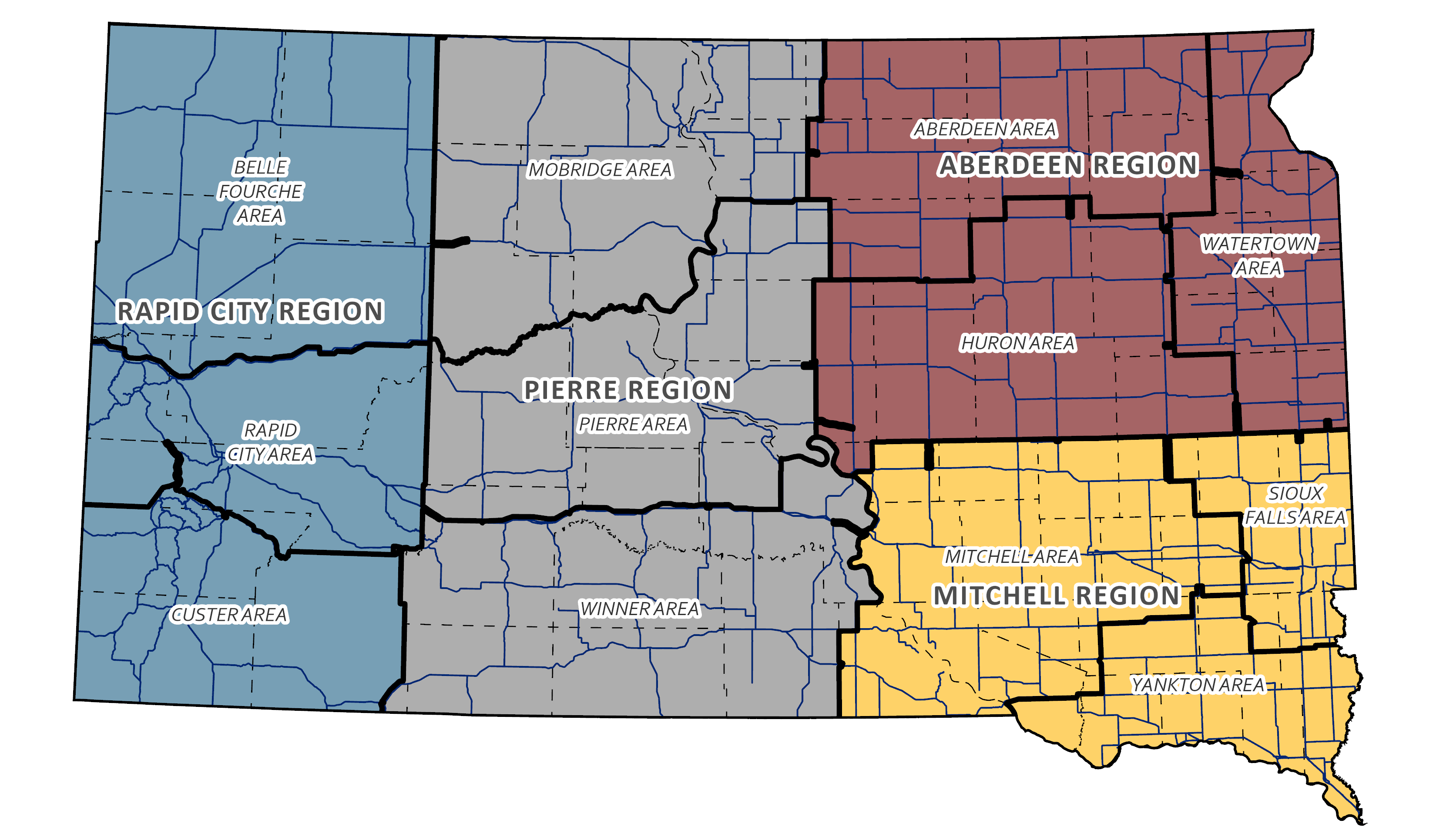
The department operates through four regions, 12 area offices and 66 maintenance shops.
Crews typically work from 5 a.m. to 7 p.m. However, extended hours and 24-hour service are available in parts of the Sioux Falls and Rapid City areas, depending on staffing and conditions.
For fiscal year 2027, the department has budgeted just under $25 million for winter operations. However, spending can vary significantly depending on the weather. During the challenging 2022-23 winter, state spending reached nearly $45 million.
Crews primarily use rock salt and salt brine to treat roads. Magnesium chloride and sand may also be used in certain conditions.
The department also uses technology to monitor road conditions and improve its response to winter storms. Its Maintenance Decision Support System uses weather information, road sensors and data from plow trucks to help crews determine when and how to treat roads.
The department also reminded drivers to give snowplows plenty of room. Plows often travel slower than other vehicles, and their blue warning lights are designed to help make them more visible in low-visibility conditions.
SD511 offers road conditions and travel updates
Officials encouraged drivers to make SD511 their primary resource for checking road conditions before traveling.
The information is updated by maintenance crews throughout the day as conditions change. Drivers can access it by visiting sd511.org , dialing 511 or downloading the free SD511 app.
The service includes road conditions, closures, travel advisories and camera images. Officials cautioned that cameras may not show every hazard, including drifting snow or poor visibility.
The DOT also provides winter travel information through its Winter Weather Hub and social media channels.
Drivers can sign up for text alerts about interstate closures by texting SDINTERSTATES to 605-836-8836.
Another feature allows counties and tribal governments to share road conditions through the SD511 map. This helps warn drivers when local roads are closed or under no-travel advisories.
Officials also had a warning about relying solely on third-party navigation apps.
“As we close things on 511, your phone app may try to reroute you on a county road, a tribal road,” said Operations Director, Craig Smith. “That’s not going to be in any better condition. And in fact, it’s probably going to be worse condition than what’s on the interstate that’s closed or some of the state highways. ”
The department said all but one South Dakota county and all but one tribe were participating in the road-condition information program at the time of the webinar.
Highway Patrol stresses preparation and awareness
Highway Patrol Major Robert Whistler reminded motorists that preparation and awareness are key to staying safe.
“The best thing you can do winter weather-wise is to pay attention,” Whistler said.
Whistler encouraged drivers to monitor their vehicle’s outside temperature gauge when precipitation is falling. Even a difference of a degree or two can affect whether roads remain wet or become icy.
He also recommended slowing down, allowing extra travel time and avoiding cruise control during winter weather.
Drivers should also be prepared for the possibility of becoming stranded, even on familiar routes. Whistler said people should keep winter clothing, including a coat, hat, gloves and snow boots, in their vehicles.
“Many times in my career over the years, I’ve encountered those people that are simply not dressed for the weather because they planned on leaving their house and going right into an event,” Whistler said. ”They get out on the road. They become stuck, stranded, involved in a crash. And they’re wearing jeans and a t-shirt or shorts and flip-flops.”
A winter survival kit should also include blankets and snacks that can be stored in a vehicle, such as granola bars and nuts. Drivers should also consider bringing water when traveling, keeping in mind that it can freeze if left in the vehicle.
Whistler also reminded motorists to watch for snowplows. Blowing snow and sudden changes in visibility can indicate a plow is operating ahead.
If a driver slides off the road or is involved in a crash, Whistler recommended remaining inside the vehicle with the seatbelt fastened. Another vehicle could lose control in the same area and strike the stranded vehicle.
He also urged drivers to take official travel warnings and no-travel advisories seriously, even if conditions appear safe where they are.
Road conditions can change significantly within just a few miles.